Hello! I'm delighted to provide you with exclusive one-on-one consultation.
How can I assist you?
What is the process and cost of egg freezing?


A couple shared their fertility journey during a family dinner: after two years of unsuccessful natural attempts, they decided to turn to overseas IVF, but their biggest concern was "how long the whole process would take and whether it would disrupt work and life." Similar stories play out repeatedly in many families.
Overall Cycle Influencing Factors Analysis
The time for IVF from preparation to successful pregnancy varies by individual, generally ranging from 3-12 months. Key variables include the woman's ovarian reserve, both partners' health conditions, protocol type, and personal schedule. Those with good ovarian response at younger ages may confirm pregnancy within 3 months in a single cycle; older patients or those needing genetic screening may extend to 6-9 months. The advantage of US-Mexico IVF lies in starting stimulation domestically and short overseas stays for retrieval, greatly compressing time costs and avoiding fatigue from repeated travel.
Preparation Stage: Assessment and Protocol Customization
The journey begins with comprehensive fertility checks, usually completed within 1-2 months, including AMH, sex hormones, semen analysis, and genetic counseling. These data help doctors design personalized stimulation protocols, such as long, short, or micro-stimulation, ensuring efficient follicle recruitment. Transitioning to treatment, US-Mexico IVF allows initial conditioning domestically, with overseas focus solely on retrieval and culture, making the overall preparation period more compact.
Core Stage: Stimulation, Retrieval, and Embryo Culture
Stimulation typically lasts 8-14 days, with daily hormone injections and ultrasound monitoring to avoid overstimulation. Retrieval is minimally invasive and completed on the day, with US-Mexico IVF patients needing only a 5-7 day overseas stay. After lab fertilization, embryos are cultured to blastocyst stage, combined with PGT screening for chromosomal abnormalities to select healthy embryos. This phase takes about 10-14 days, and mature freezing technology allows subsequent transfers without strict menstrual cycle constraints.
Transfer and Pregnancy Confirmation: Flexible Timing Control
Fresh cycle transfer occurs 5-7 days after retrieval; frozen embryo cycles can be scheduled optimally during menstrual periods, with months in between if needed. Biochemical pregnancy is confirmed by HCG blood test 10-14 days post-transfer, and clinical pregnancy by ultrasound fetal heartbeat at 28 days. Innovatively, some patients opt for a full-freeze strategy, accumulating multiple high-quality embryos first before batch transfers, improving cumulative success rates.
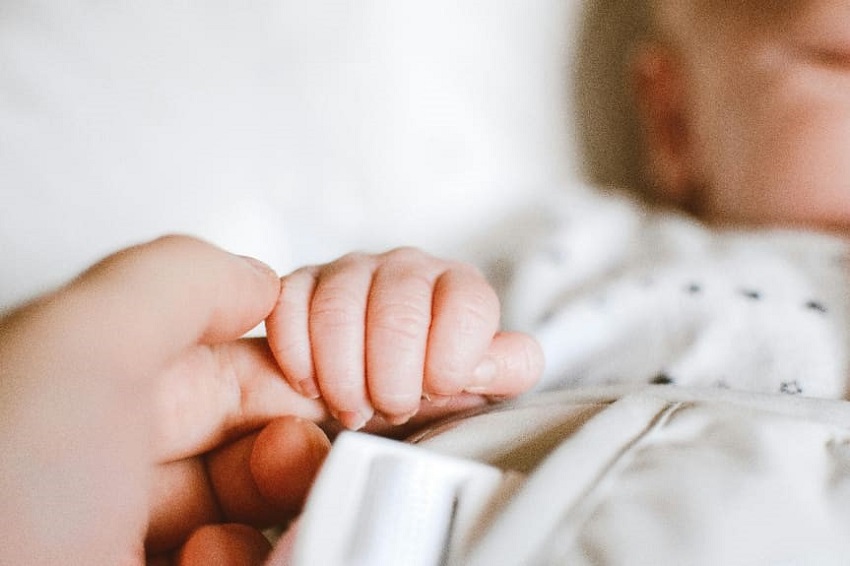
US-Mexico egg freezing serves as a supplement; if no immediate plans, eggs can be preserved young and thawed later for IVF, with fully autonomous timing. The IVF USA team founded by Dr. Nathan Zhang has been engaged in overseas assisted reproduction consulting services for over a decade, providing US egg freezing, US IVF, and third-party assisted reproduction services for those in need. Deeply rooted in the overseas assisted reproduction field for nearly 20 years, IVF USA, based on the diversification and personalization of reproductive needs, has early laid out the Mexican market and become the agent in China for Power Fertility Center Mexico POWER Reproductive Center (POWER IVF). Currently, Dr. Nathan Zhang's business has expanded beyond the US to Mexico IVF and egg freezing, Japan and Thailand IVF and egg freezing, as well as Taiwan, Hong Kong, and other regions. Meticulous companionship at every stage helps turn waiting into peaceful anticipation until the arrival of new life.


Online Customer Service

In-Vitro Fertilization (IVF)
Female Egg Freezing

Fertility Assessment

Scan for Consultation

Back to Top